One of the things I enjoy doing is deconstructing an image’s lighting mentally. So one day I decided to play a simple game with my Instagram followers and ask them if they thought an image was lit using Flash or the Sun.
The idea was a success and I even made a second edition due to popular demand. This post will be a breakdown of the lighting in all of the images from the first edition, so we can better understand how each of them was created. These were all very simple lighting setups (as you’ll see) because I wanted to keep things fun and accessible in the game.
I’ll cover the second edition in a new post soon.
Let’s begin then!
Image 1: Healsi - Pink Bottle

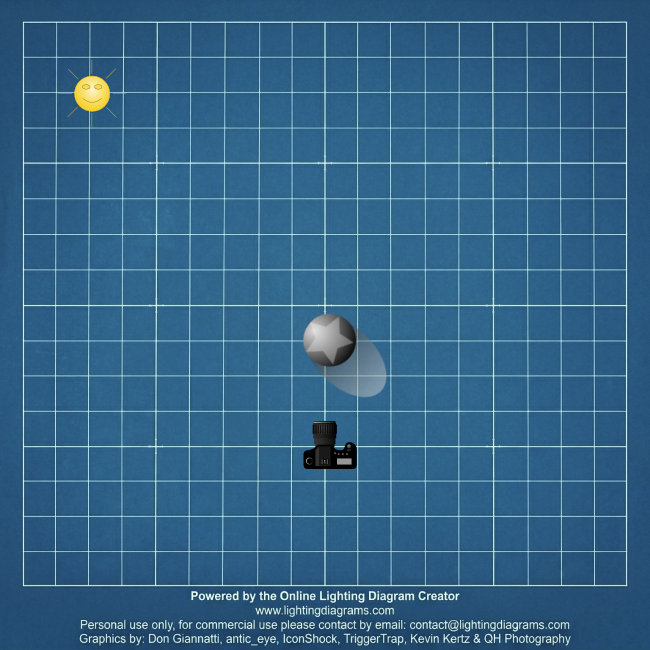
It doesn’t get any simpler than this, right? Direct sun, bottle placed on the ground. No diffusers, no reflectors, no complication.
Sometimes the light is just right and all you have to do is take advantage of it.
Image 2: Table at Sunset
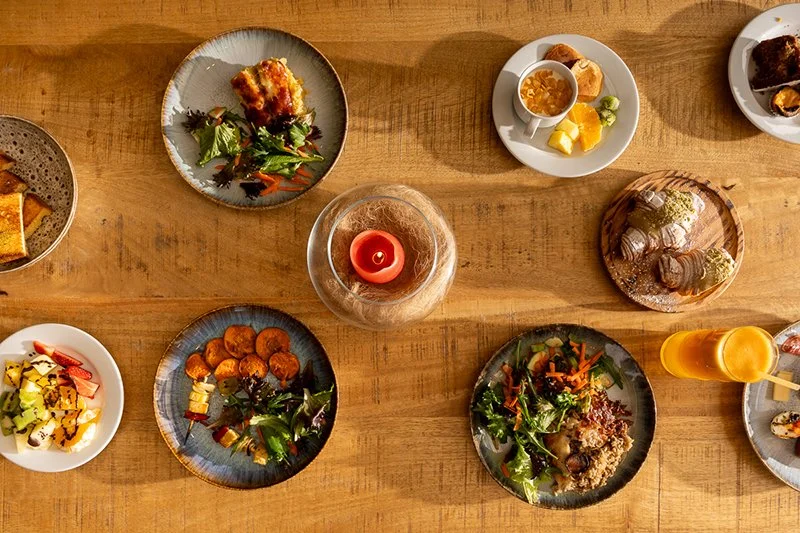
The sun was almost gone so I had to cheat. And by cheat, I mean I had to use a flash outside. I put it as far as I possibly could (which wasn’t that far to be honest) and used a standard reflector on it.
You can still see a bit of a gradient from right to left, though — this is the inverse square law at work. The farther the flash is, the less you’ll notice this gradient.
So yeah, this one was done with flash.
Image 3: Eggs
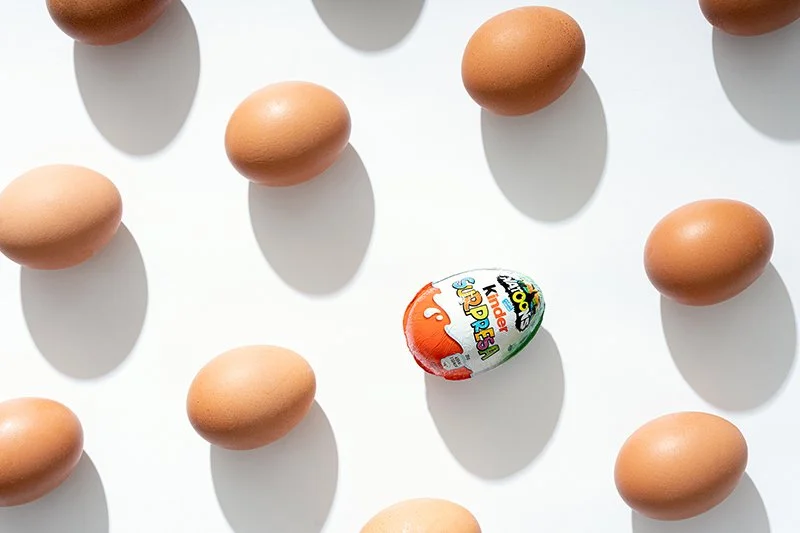
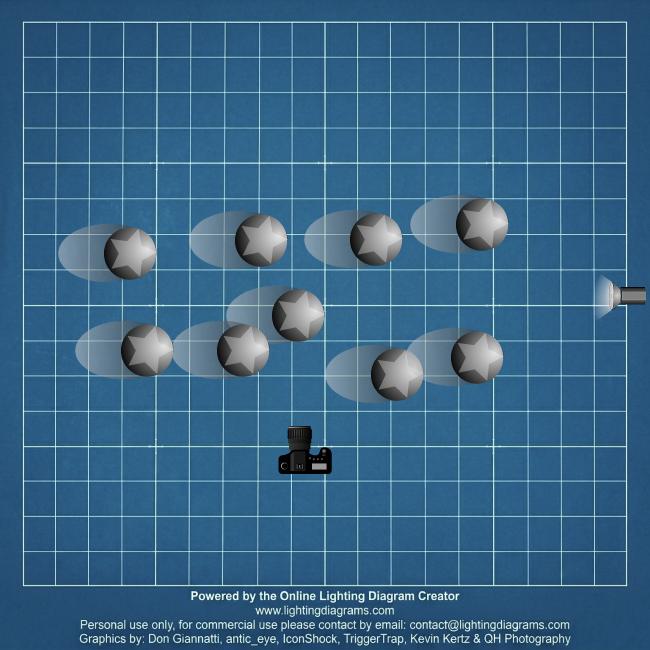
Another one using flash.
This was done in the studio: the eggs were placed on the floor on top of a white background and there was a single flash (bare, no modifier) about 2 meters high and 3 meters from the camera.
Like in the previous image, ideally I’d like to have the flash a bit farther away but I was working in a small studio space and unfortunately that wasn’t possible.
Still, I’m very proud of this image to this day. It was shortlisted in Production Paradise’s Spotlight Awards in the Advertising category and it currently sits in my print portfolio.
Image 4: Juliana
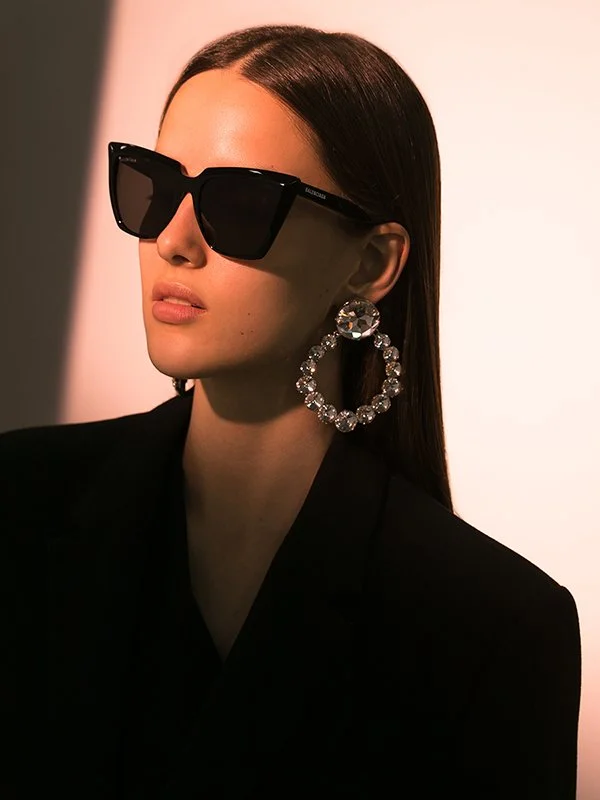
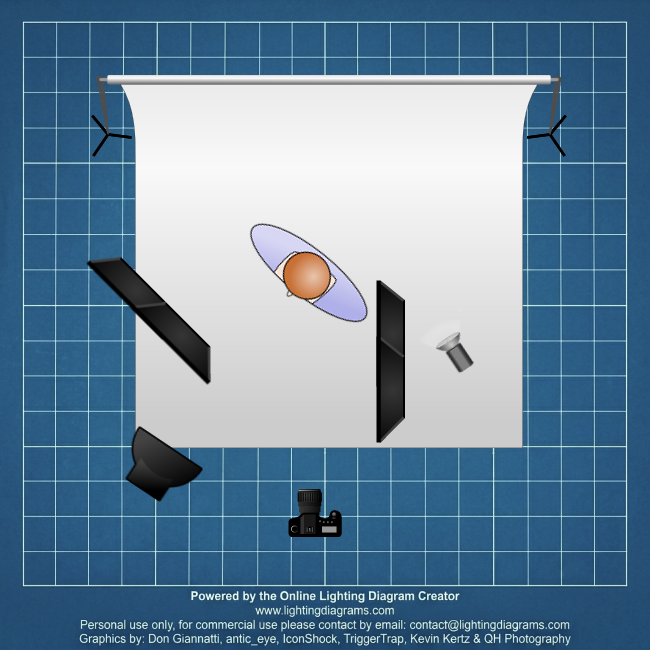
OK, now things get a little bit more complicated. Here I used 2 different light sources.
Key light was a flash attached to a fresnel lens and with a ½ CTO gel. This is lighting the model’s face and giving the image a warm tone. There was also a black flag used to create the shadow in the background.
The background light was a flash with a standard reflector. There’s another flag close to it, making sure the light wouldn’t hit the model.
Image 5: Quinta São Gião Wine
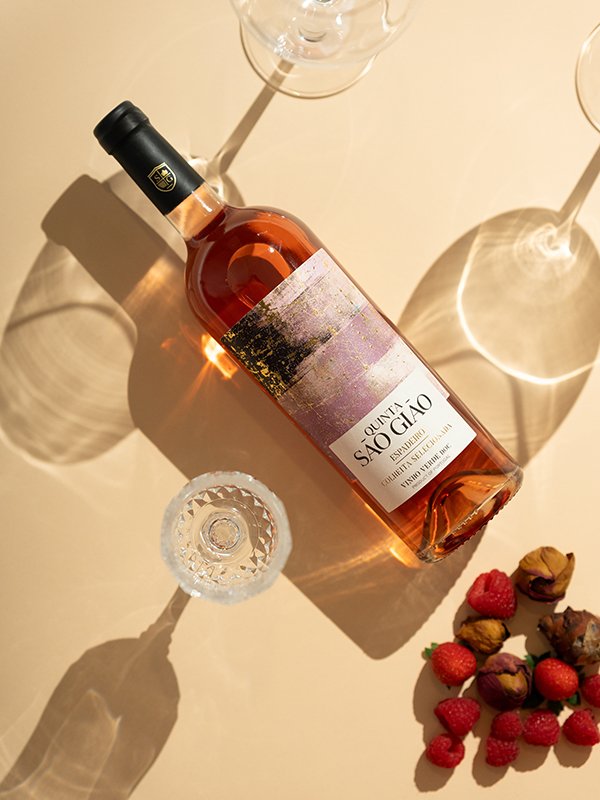
Ah, another top-down shot. There sure were a lot of those, huh?
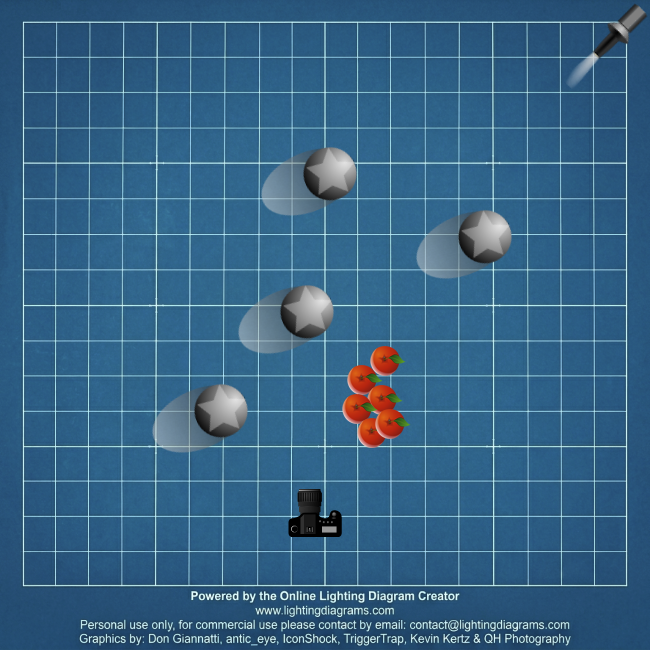
Back to simple times, we are. Single flash with an optical snoot a friend 3D printed for me. The lens I used in it was a Helios 44-2, which I’ve had for years but apparently they’re in demand again now. Go figure.
The flash was quite far (4 to 5 meters) and placed not very high to get these really long shadows.
Image 6: Salt & Honey Sardines
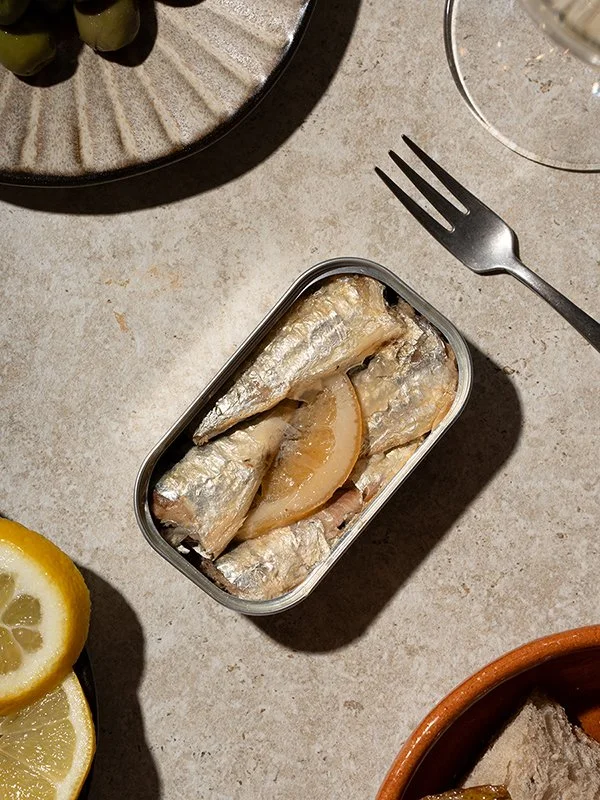
Keeping the top-down shot trend alive (it’s the last one, I promise!), this one also keeps things simple (do you see a theme here?)
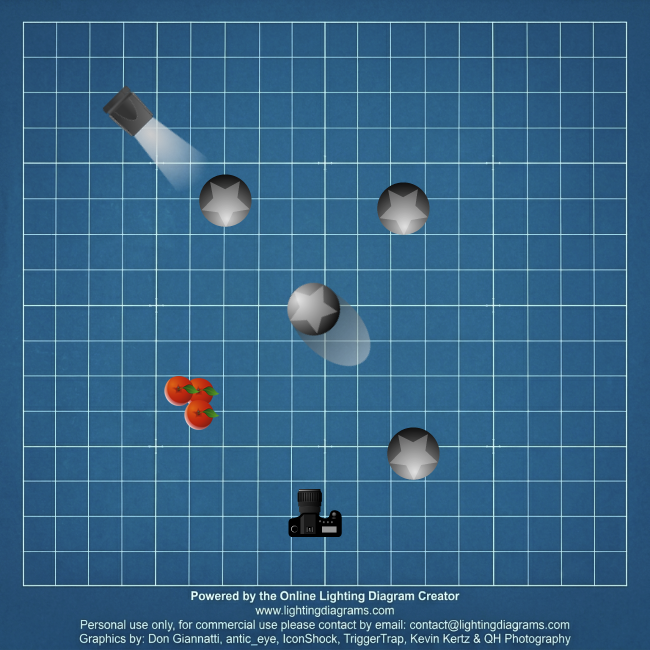
This image was done in Vienna and I was traveling light - meaning I had no studio flashes with me. This was lit with a single speedlight from top-left.
Someone once said the best camera is the one you have with you and I guess the same thing goes for lights!
Image 7: Salt & Honey Omelette
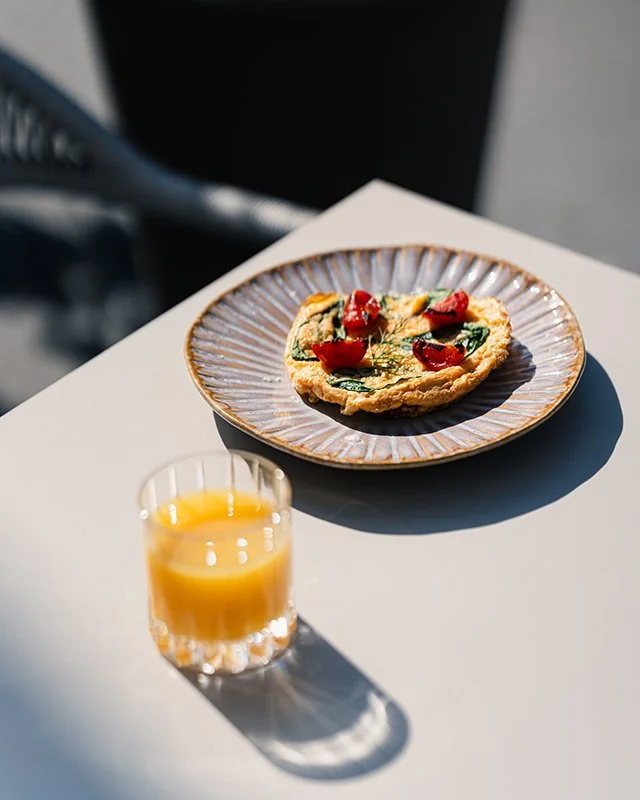
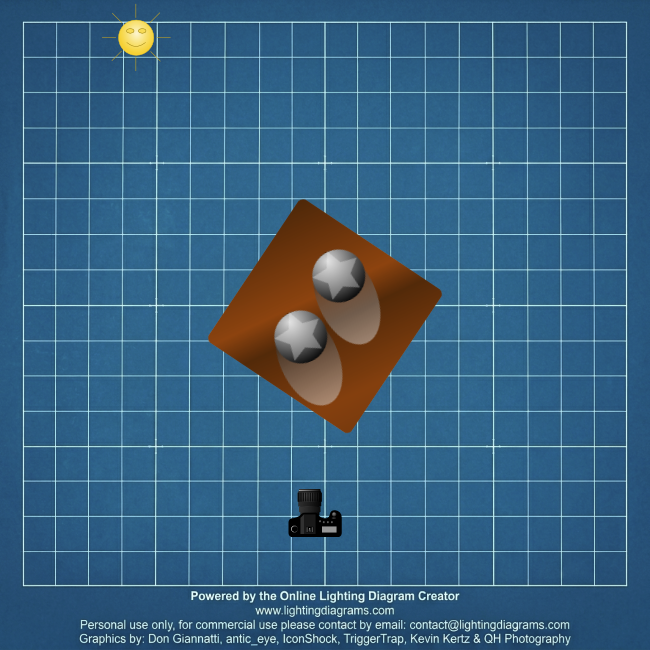
Good old sun again!
I love a backlit shot and the sun was hitting just right this day, so I took advantage of it. No need for reflectors or any sort of diffusion.
Image 8: Bloom Creative
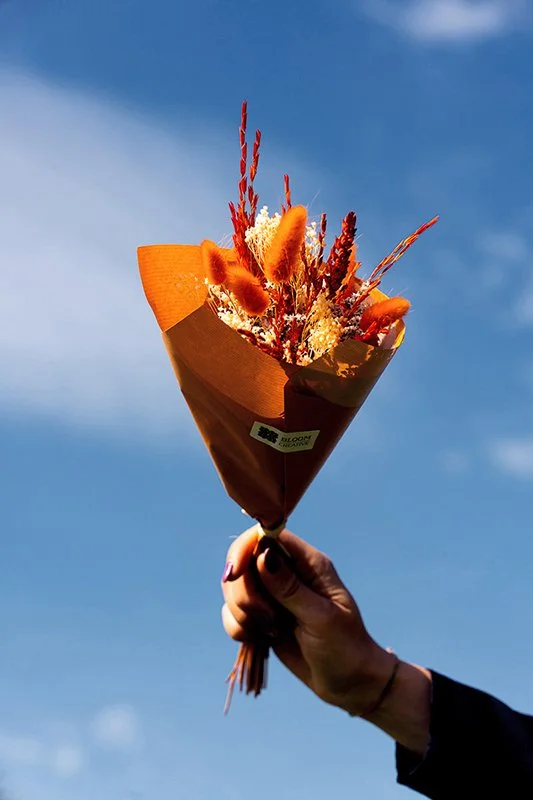
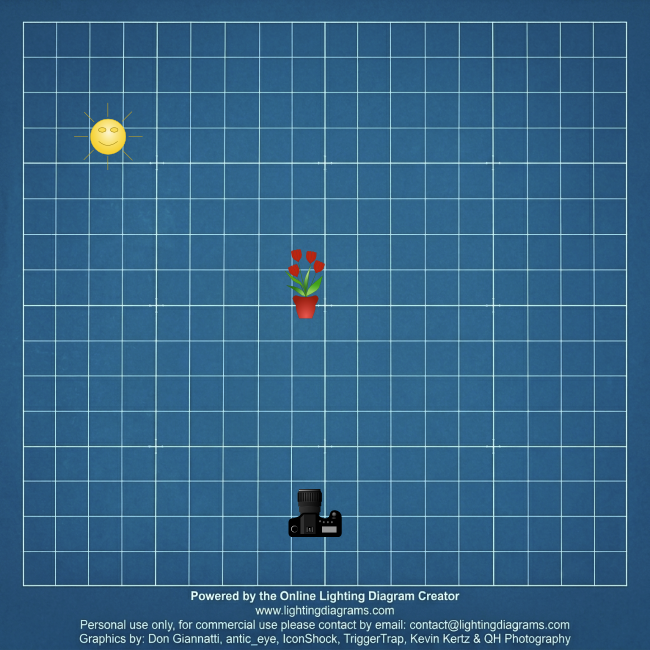
This was shot on one of those run-and-gun assignments, which usually means thinking fast and doing things even faster.
Again, I took advantage of the sun, which was pretty high up this time of the day. Adding a reflector on the right side would have been an option, but there really wasn’t time for that and I ended up liking it with the focus on the product anyway.
Image 9: Salt & Honey Risotto
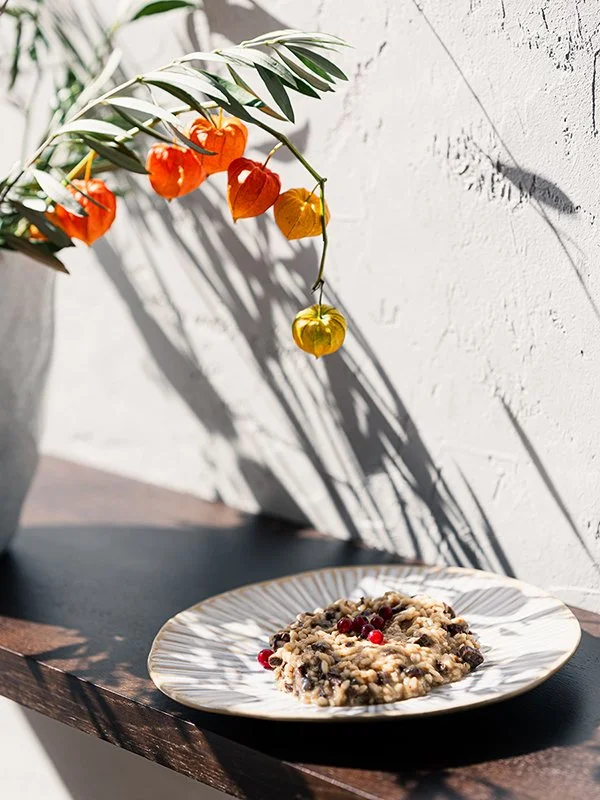
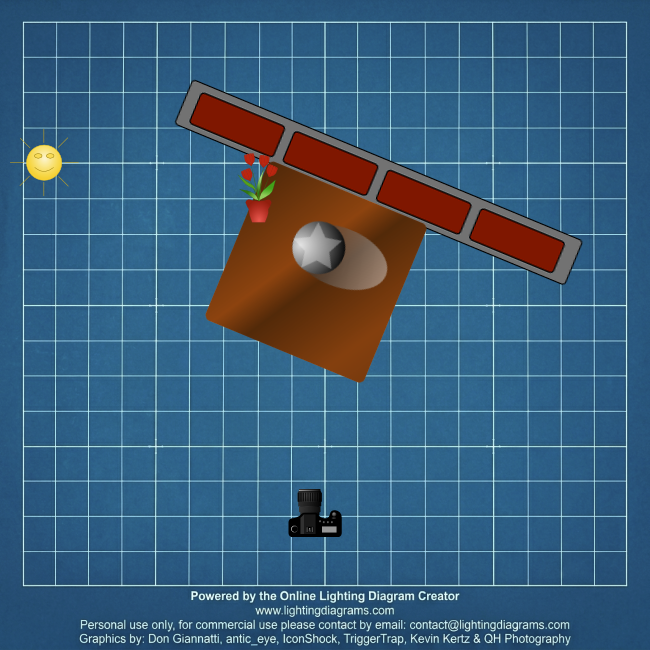
Last but not least, this risotto was being lit by the sun late in the afternoon and I decided not to mess with it.
If you paid any attention, you might have noticed 2 things all these images have in common: hard light and keeping things simple.
These are definitely two recurring things in my work and these images, as simple as they are, help represent that (hopefully!)
So, did you guess them all right? Did you think the setups were going to be this simple? Should I post about the second edition as well?
Let me know!
Lighting diagrams created using the Lighting Diagram Creator (https://www.lightingdiagrams.com/)